
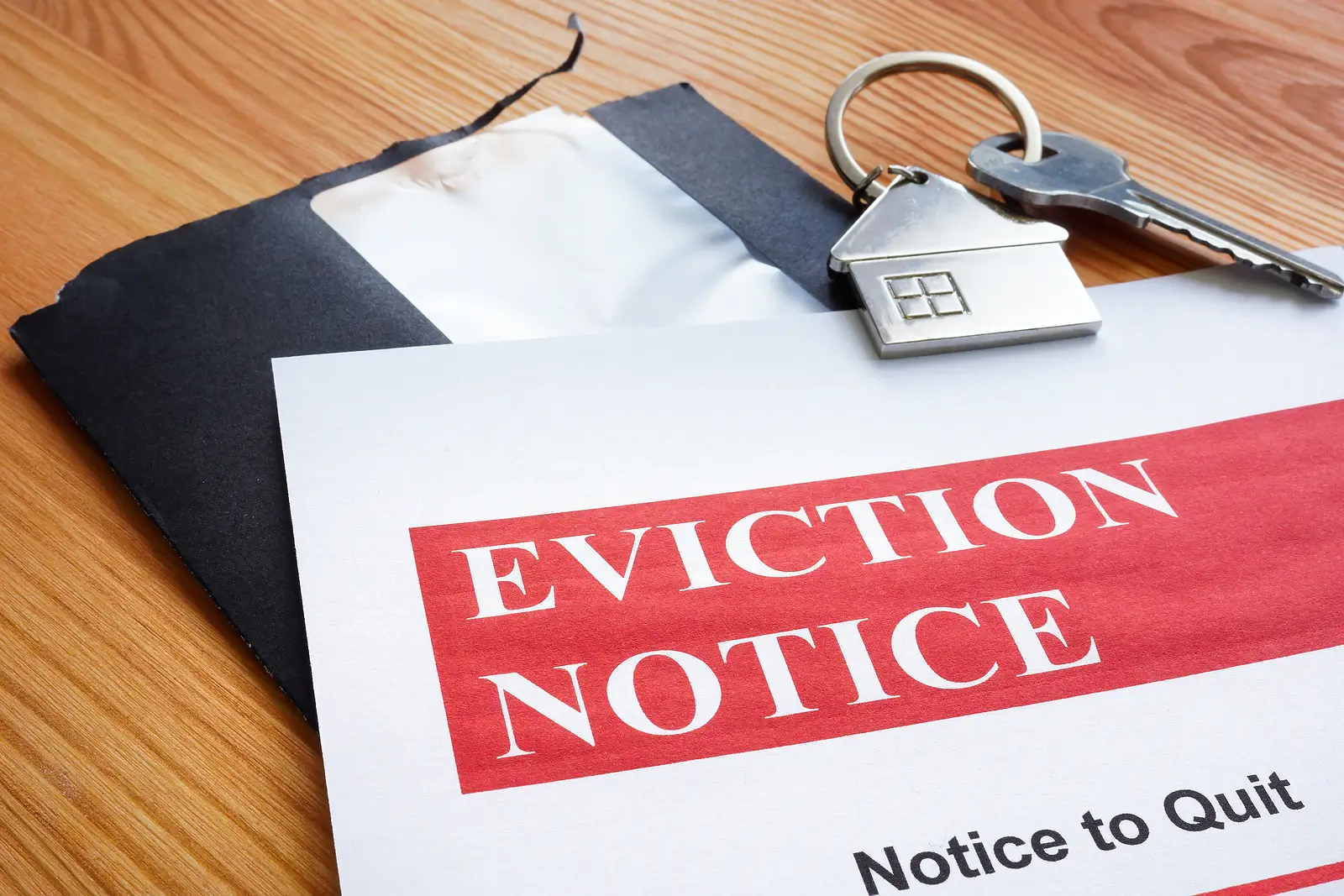
No landlord wants to go through an eviction, but understanding exactly how the process works in Florida makes it far less stressful if you ever need to. Florida's eviction process is governed by specific statutory steps, and skipping or rushing any one of them can delay the case, force you to start over, or even result in a judge dismissing your filing entirely.
For Central Florida landlords managing rentals across Orlando, Kissimmee, or Lakeland, knowing this process in advance is one of the most practical things you can do to protect your investment.
Key Takeaways
Florida eviction always starts with a written notice, and the required notice period depends on the reason for eviction.
Self-help eviction, meaning changing locks or removing a tenant's belongings without a court order, is illegal in Florida regardless of the circumstances.
Once a lawsuit is filed, the tenant generally has five business days to respond, and missing that deadline can result in a default judgment.
Only the Sheriff's Office can physically remove a tenant from the property, and only after a judge issues a final judgment and writ of possession.
Step One: Serving the Correct Notice
Every Florida eviction begins with written notice, and the notice you use depends entirely on the reason for eviction.
For nonpayment of rent, Florida law requires written notice that gives the tenant a set number of days to pay the full amount due or vacate the property.
For lease violations other than nonpayment, a different notice period applies, and for no-cause terminations of a month-to-month tenancy, yet another notice period is required under the statute.
Using the wrong notice or miscounting the notice period is one of the most common reasons an eviction case gets delayed or dismissed. Florida courts expect strict compliance with these notice requirements, and a judge who finds the notice defective will generally require the landlord to start the process over.
Step Two: Waiting Out the Notice Period
Once the appropriate notice has been properly served, the landlord must wait for the notice period to expire before filing anything with the court. If the tenant cures the issue during that window, for example by paying the full amount owed within a pay-or-vacate notice period, the eviction process stops there and cannot proceed further for that particular violation.
This waiting period is mandatory, and filing a lawsuit before the notice period has expired is grounds for dismissal. Keeping precise records of exactly when notice was served and delivered, ideally with proof of delivery, protects you if the timeline is ever challenged later in the process.
Step Three: Filing the Eviction Lawsuit
If the tenant does not resolve the issue during the notice period, the next step is filing an eviction lawsuit, formally called an action for possession, with the county court where the property is located.
This requires a complaint, the appropriate filing fee, and copies of the lease and the notice that was served. Once filed, the court issues a summons that must be served on the tenant, generally by the Sheriff's Office or a process server.
Step Four: The Tenant's Response Window
After being served with the lawsuit, the tenant generally has five business days, excluding weekends and legal holidays, to file a written response with the court.
If the tenant does not respond within that window, the landlord can request a default judgment, which allows the case to move forward without a hearing.
If the tenant does respond, whether by disputing the claim or raising a defense, the case typically proceeds to a hearing before a judge.
This is a considerably faster timeline than eviction processes in many other states, which is part of why precise compliance with every earlier step matters so much. A case that reaches this stage with a properly served notice and a correctly filed complaint tends to move quickly toward resolution.
Step Five: Judgment and the Writ of Possession
If the court rules in the landlord's favor, either by default or after a hearing, the judge issues a final judgment for possession.
The landlord then requests a writ of possession from the clerk of court, which is delivered to the Sheriff's Office. The Sheriff posts the writ at the property, giving the tenant a final notice period, generally 24 hours, to vacate voluntarily before the Sheriff returns to physically remove the tenant if necessary.
It is worth emphasizing directly that only the Sheriff can carry out this final step. A landlord who changes the locks, shuts off utilities, or removes a tenant's belongings without going through this court process is engaging in illegal self-help eviction under Florida law, which can expose the landlord to significant liability regardless of how legitimate the underlying reason for eviction might be.
Why This Process Rewards Preparation
Every step in this process depends on accurate documentation from the very beginning of the tenancy, a properly executed lease, clear records of any violations, and precise timing of notices.
Landlords who keep this kind of documentation organized from day one tend to move through an eviction far more smoothly than those scrambling to reconstruct a timeline after a dispute has already escalated.
Our eviction protection services are built around exactly this kind of preparation, keeping documentation and notice timing correct from the start so the legal process moves as efficiently as Florida law allows if eviction ever becomes necessary.
FAQ
How long does a typical Florida eviction take from notice to removal?
This varies depending on court schedules and whether the tenant contests the case, but an uncontested eviction with properly served notice can often be resolved within a few weeks, while a contested case can take considerably longer.
Can I remove a tenant's belongings myself if they haven't paid rent?
No. Self-help eviction is illegal in Florida under any circumstances. Only the Sheriff, acting under a court-issued writ of possession, can legally remove a tenant.
What happens if my notice has an error in it?
A defective notice generally requires restarting the process, which is why precise compliance with Florida's notice requirements matters at every step.
Do I need an attorney to file an eviction in Florida?
It is not strictly required for an individual landlord, though many owners choose to work with an attorney or a property manager experienced in the process, given how strictly courts enforce procedural requirements.
Moving Through the Process With Confidence
Florida's eviction process is faster than in many states, but only when every step is executed correctly from the very first notice.
If you want a team that already knows how to navigate this process cleanly for the properties we manage, reach out to our office, and let's talk about your portfolio.