
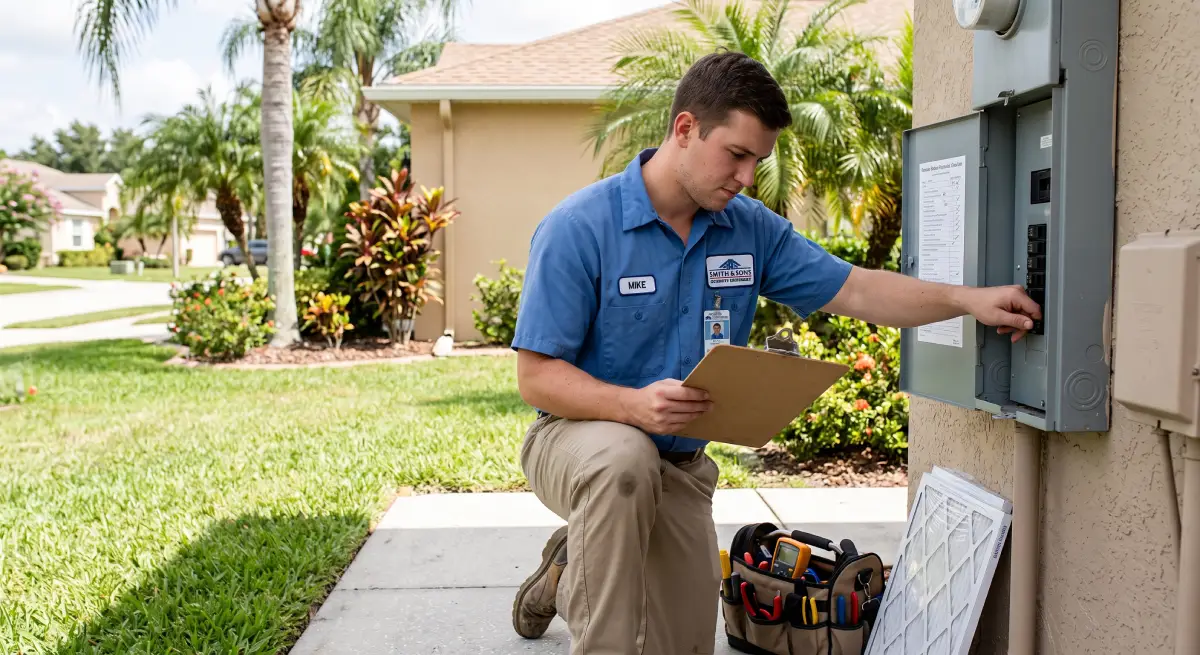
A structured, year-round system of inspections, seasonal checks, vendor standards, response times, and owner approvals keeps your Orlando rental in consistent shape rather than fixing problems only after they surface. This system catches wear early, cutting the costly surprises that come with reactive repairs.
Orlando's rental demand keeps climbing. The metro area added 37,690 new residents between July 2024 and July 2025, making it the fastest-growing metro region in Florida, according to U.S. Census Bureau figures. More renters means more wear on plumbing, roofing, and HVAC systems that never get a break from Central Florida's climate.
This guide breaks down what each part of that structure looks like in practice.
Key Takeaways
- A total preventive maintenance program means inspections, seasonal checks, vendor standards, response times, and owner approval all working together on a set schedule.
- Orlando's rapid growth and shifting rental market make consistent property upkeep more valuable to owners than ever.
- Florida law sets minimum maintenance obligations for landlords, and a structured plan helps you stay ahead of those requirements instead of reacting to them.
- Clear vendor standards and owner approval workflows give you visibility into every repair before it affects your bottom line.
A. Why Routine Inspections Come First in a Structured Plan
Inspections are the foundation of the entire program. They mean someone is physically checking your property's condition on a set timeline instead of relying on a tenant to notice and report every issue.
A full inspection typically covers:
- Roofing, gutters, and exterior seals for early signs of wear or water intrusion
- Plumbing connections, water heaters, and visible piping for leaks
- Electrical panels and outlets for safety and code compliance
- Major appliances and HVAC components for performance issues
- Drainage and irrigation lines around the foundation
Under Florida Statutes Section 83.51, landlords already carry a legal duty to keep roofs, plumbing, and structural components in good working order throughout a tenancy. Regular inspections give you documentation that the duty is being met, not just assumed.
B. How Seasonal Checks Match Maintenance to Florida's Climate
Seasonal checks mean your home gets different attention depending on the time of year, since heat, humidity, and storm risk each stress a property in their own way.
Preparing Before Hurricane Season
NOAA's 2026 outlook projected 8 to 14 named storms for the Atlantic season, with 3 to 6 expected to strengthen into hurricanes. Pre-season checks on roofing, gutters, and exterior seals matter for every home we manage, and owners near Champions Gate and Davenport can see this process in our seasonal storm prep checklist.
Managing Heat and Humidity
Summer AC servicing means fewer breakdowns when tenants need cooling most, plus less moisture buildup in bathrooms and closets where mold can start unnoticed.
One of our owners near Lake Nona learned this firsthand. During a seasonal check we scheduled last spring, our vendor caught a slow irrigation leak near her home's foundation before it turned into water damage inside. That's the difference a structured system makes.
Setting the Bar for Vendor Standards on Every Repair
Vendor standards mean every repair on your property is handled by someone licensed, insured, and held to a consistent quality bar, no matter how small or urgent the job is.
Here's how that plays out in practice:
- A vendor must carry current licensing and insurance before we add them to our network.
- We review every completed job against our workmanship standards before we mark it closed.
- Repeat issues on the same repair trigger a review of that vendor's performance.
- We match vendors to jobs based on the type of repair, not just availability.
This is also where trust in a management partner really shows up. You're not left hoping the right person shows up. You know who's coming and what standard they're held to. Our earlier look at why proactive management outperforms reactive fixes goes deeper into how vendor consistency protects long-term property value.
Why Response Times Shape Tenant Trust and Legal Protection
Response times mean tenants get a predictable answer when they report a problem, instead of wondering if anyone's coming. That predictability protects both your tenant relationship and your property.
Orlando's rental market has cooled somewhat, with median rent around $1,529 as of September 2026 and down roughly 1.5% year over year, according to Apartment List's Orlando rent report. In a market with more competition for good tenants, response time becomes part of what keeps a tenant renewing instead of shopping around.
A defined response window also protects you legally. Once you receive written notice of an issue affecting health or safety, Florida law generally gives you 7 days to begin addressing it, according to guidance on the state's habitability notice requirements.
Missing that window opens the door to disputes that can follow you all the way to the security deposit stage. Our guide to Florida's security deposit rules explains how documentation from timely repairs ties directly into deposit deductions later.
How Owner Approval Workflows Keep You in Control
Owner approval means you see the cost and reasoning behind a repair before it happens, not just an invoice after the fact. It's the piece that keeps the whole program accountable to you.
A typical owner approval workflow includes:
- Small repairs below an agreed cost threshold get handled quickly so tenants aren't left waiting
- Larger repairs come to you for approval before any work begins
- Every invoice, regardless of size, appears in your monthly statement
- Records of past repairs stay accessible so you can track patterns over time
We document every dollar spent through our transparent accounting process, so nothing gets buried in a line item you don't recognize. Screening also plays a quiet role here. Well-qualified tenants tend to report problems earlier and treat a home with more care, which is part of why our tenant screening process matters just as much to your maintenance costs as the repairs themselves.
For a broader view of how approval, reporting, and maintenance connect, our resources for property owners walk through the full relationship.
FAQs about Preventive Maintenance Programs in Orlando, FL
How much should Orlando rental property owners budget for preventive maintenance each year?
Most owners set aside 1% to 2% of their property's value annually. Actual costs vary based on the home's age, system condition, and how many seasonal checks the property needs each year.
Will a preventive maintenance program increase my expenses even when nothing appears to be wrong with the property?
You'll see small, predictable costs for inspections and minor upkeep. These costs typically stay lower than the emergency repairs and tenant turnover that come from ignoring wear until something fails.
What happens if a preventive inspection recommends a repair that I cannot afford right away?
Your property manager should prioritize repairs by urgency, flagging safety or habitability issues first. Lower-priority items can often wait, giving you time to plan the expense.
How do preventive maintenance visits affect tenants who are living in the rental home?
Tenants experience brief, scheduled visits rather than unexpected disruptions. Most inspections take under an hour, and routine checks rarely interfere with daily life inside the home.
How much advance notice should tenants receive before preventive maintenance work is scheduled?
Florida law generally requires at least 12 hours' notice before entry for non-emergency purposes. Most property managers provide 24 to 48 hours so tenants can prepare.
Bring Structure to Your Orlando Rental's Maintenance Plan
A total preventive maintenance program comes down to five working parts. Inspections catch problems early. Seasonal checks match the work to Florida's climate. Vendor standards protect repair quality. Response times protect tenants and your legal standing. Owner approval keeps you in control of every dollar spent.
At Florida Spirit Homes, our structured maintenance and inspection program puts all five pieces to work for you, including:
- Scheduled inspections covering roofing, plumbing, and electrical systems
- Seasonal checks built around hurricane prep and summer heat
- Licensed, insured vendors held to consistent quality standards
- Transparent owner approval and monthly reporting
Your Orlando rental deserves more than crossed fingers and emergency phone calls. Let's start a maintenance plan that protects your investment before problems even start.