
The Cone of Uncertainty Just Shifted Toward Champions Gate—Now What?
A tropical wave spins up off the coast of Africa, and less than two weeks later, the National Hurricane Center's forecast cone brushes straight across Polk and Osceola counties. That is how quickly peak hurricane season moves in Central Florida, and it is exactly why waiting until a storm gets a name is the wrong time to start preparing your rental property. Florida Spirit Homes has managed rental homes throughout Orlando and Central Florida long enough to know the difference between landlords who breeze through storm season and those who spend months untangling insurance claims and emergency repairs: the work happens weeks before the first rain band arrives. This guide breaks down exactly what to inspect, secure, and document on your Champions Gate or Davenport rental right now, covering everything from your roof to your lease agreement, so you head into the peak of the season prepared instead of scrambling.
Key Takeaways
Inspect and document your roof and gutters now to catch damage early and support any future insurance claim.
Secure outdoor items and trim trees so patio furniture, grills, and dead limbs do not become windborne hazards.
Protect utilities and pools by covering AC units, testing electrical components, and lowering pool water levels.
Update lease agreements with a hurricane addendum that spells out landlord and tenant responsibilities before a storm hits.
Confirm insurance coverage and prepare emergency kits since standard policies exclude flood damage and tenants need a clear safety plan.
Exterior and Property Fortification: Start Where the Wind Hits First
High winds test every seam of a property before anything else, which makes the exterior your first line of defense.
Inspect the Roof and Clear the Gutters
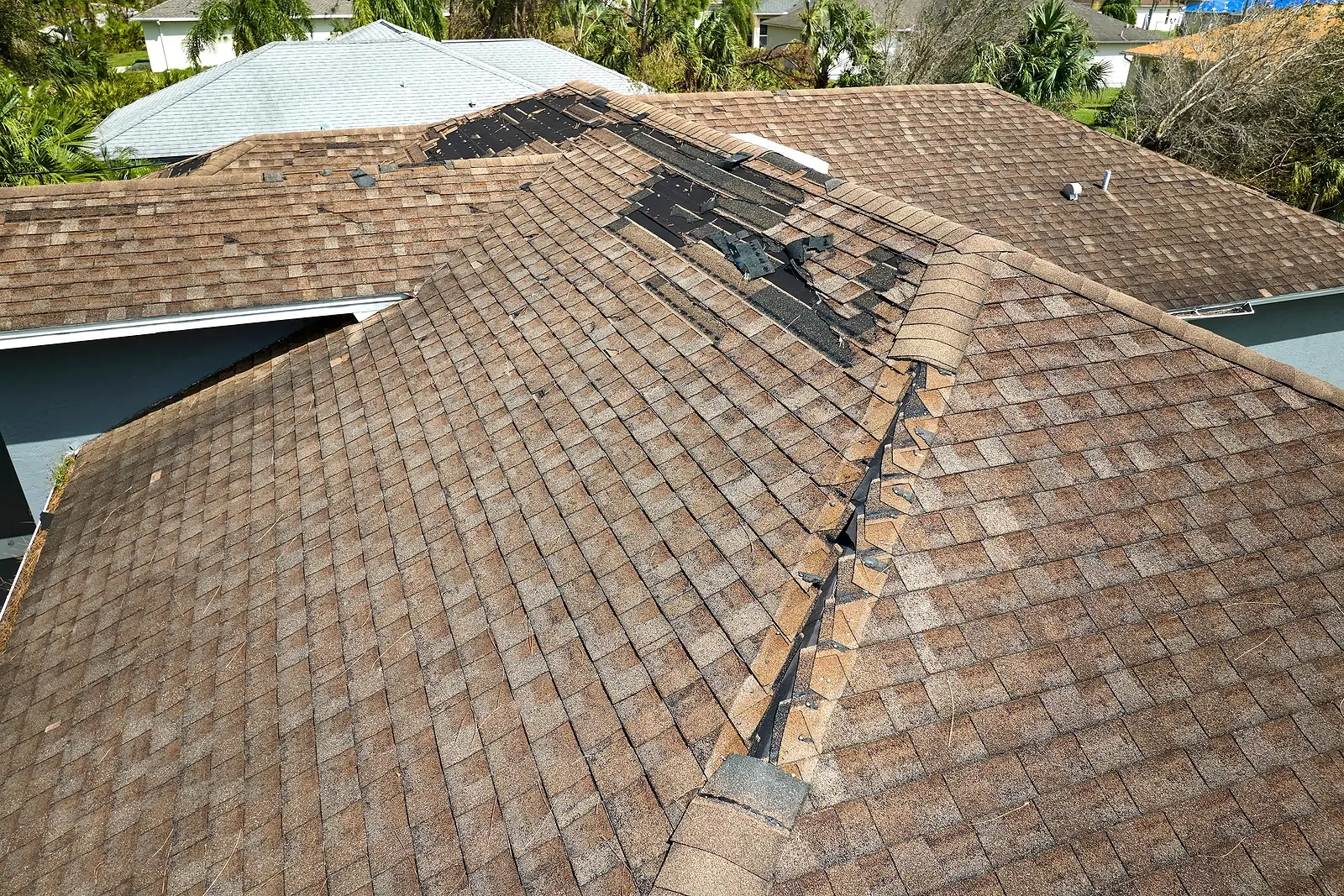
Walk the roofline and look for loose or missing shingles and damaged flashing around vents and chimneys. Take dated, close-up photos now, while the roof is still in good shape, so you have a clear baseline if you ever need to file an insurance claim after a storm. While you are up there, or hiring someone to check for you, clear out gutters and downspouts. Leaves and debris trap water against the roofline and fascia, and that trapped moisture is often what turns a five-minute cleaning job into a five-figure repair.
What it means: A documented, pre-storm roof inspection can be the difference between a fast insurance payout and a drawn-out dispute over when the damage actually occurred.
Real-world example: A landlord who photographs a few missing shingles in July, then finds the same section stripped bare after an August storm, has clear before-and-after proof for the adjuster. A landlord with no baseline photos is left arguing about pre-existing damage instead.
Our maintenance team can complete these inspections for you and keep dated records in your owner file, so nothing depends on memory when a claim needs to be filed.
Trim Trees and Bring Loose Items Inside
Dead or overhanging limbs near the roofline and power lines turn into projectiles in sustained winds, so trim them back well before a storm is tracking toward Champions Gate or Davenport. Then walk the yard and patio: grills, potted plants, decor, and outdoor furniture all need to come inside or get anchored down. Anything light enough to lift is light enough to fly.
Utilities and Pool Care: Protect What Keeps Tenants Comfortable
Once the structure is secure, turn your attention to the systems that keep the property livable during and after a storm.
Shield the AC Unit and Test Electrical Safety
Cover the exterior condenser with a manufacturer-approved protective shield rather than a makeshift tarp, which can trap moisture and cause its own damage. Test every GFCI outlet in the home, and check the electrical panel for corrosion or signs of prior water intrusion. These are inexpensive checks that prevent expensive breakdowns right when tenants need working power most.
Lower the Pool and Secure Pool Equipment
If your Champions Gate or Davenport rental has a pool, a common feature across the area's vacation and long-term rental communities, lower the water level by about 12 inches before a storm to give room for heavy rainfall. Move lightweight pool furniture and toys into the water itself, where they are far less likely to blow away than if left poolside.
What it means: A pool that overflows onto the patio or pool cage can undermine equipment and screening, adding repair costs on top of storm damage elsewhere on the property.
Owners managing short-term or vacation rental properties in particular should build these pool and utility checks into a standing pre-storm checklist, since these properties often sit empty between guest stays with no one on-site to react quickly.
Management and Guest Safety: The Paperwork That Protects Everyone
Physical prep only goes so far without the right agreements, coverage, and communication in place.
Add a Hurricane Addendum to the Lease
A clear weather or hurricane addendum spells out who is responsible for what before, during, and after a storm: securing furniture, reporting damage, evacuation expectations, and how rent is handled if the property becomes temporarily uninhabitable. Building this into every lease removes the guesswork exactly when tenants are most stressed.
Real-world example: A tenant who already knows from their lease that they are responsible for bringing in their own patio items is far less likely to leave a call unanswered when a storm warning goes out.
Our owner resources cover the lease terms landlords across Central Florida rely on to stay protected year-round, not just during storm season.
Confirm Insurance Coverage, Especially Flood
Review your policy limits and confirm what is actually covered. Standard homeowner and landlord policies do not cover flood damage, full stop. That protection only exists through a separate policy, most commonly through FEMA's National Flood Insurance Program. Given how much of Central Florida sits in low-lying, storm-prone terrain, this is one gap that catches otherwise well-prepared landlords off guard every season.
Equip the Property With an Emergency Kit
Stock the rental with a basic emergency kit, local evacuation routes, and a printed list of emergency contact numbers. Tenants and guests should never have to search for this information while a storm is bearing down. For short-term rentals especially, guests may not know the area at all, making this simple step one of the most valuable things you can leave behind.
Frequently Asked Questions
How far in advance should I start hurricane prep on my rental?
Start at the beginning of hurricane season, not when a storm enters the forecast. Roof inspections, tree trimming, and lease updates all take time, and contractors book up fast once a storm is actually tracking toward Florida.
Does my landlord insurance policy cover hurricane damage?
Most policies cover wind damage but exclude flooding entirely. You need a separate flood policy, typically through the National Flood Insurance Program, to close that gap.
Who is responsible for securing outdoor furniture, the landlord or the tenant?
That depends on your lease. A hurricane addendum that clearly assigns this responsibility, whether to the landlord, an on-site tenant, or a property manager, removes the confusion that often surfaces right before a storm.
Storm-Ready Today Means Steady Rental Income Tomorrow
Hurricane prep is not a one-time chore. It is what separates landlords who protect their investment from those who gamble with it every June through November. From roof inspections and secured furniture to lease addendums and flood coverage, every item on this checklist reduces your risk and protects your tenants. Florida Spirit Homes helps landlords across Champions Gate, Davenport, and the rest of Central Florida stay ahead of storm season with proactive, full-service property management. Call us today at 407.396.4441 or schedule your free property consultation to get your rental storm-ready before the next system forms. You can also contact us with any questions about preparing your specific property.